Forecast Details for Searsmont, ME

Recent Locations: Searsmont, ME  
Current Alerts for Searsmont, ME: Winter Weather Advisory
Overnight: A slight chance of freezing rain before 3am, then a chance of sleet. Areas of fog. Otherwise, cloudy, with a low around 28. Calm wind. Chance of precipitation is 30%. New precipitation amounts of less than a tenth of an inch possible.
Saturday: Freezing rain and sleet likely before 9am, then rain likely between 9am and 4pm. Areas of fog. Otherwise, cloudy, with a high near 39. Light southeast wind becoming south 5 to 10 mph in the morning. Winds could gust as high as 25 mph. Chance of precipitation is 60%. Little or no ice accumulation expected. Little or no sleet accumulation expected.
Saturday Night: A chance of rain before 8pm, then showers likely, mainly between 8pm and 4am. Areas of dense fog. Otherwise, cloudy, with a temperature rising to around 44 by 4am. Southwest wind 5 to 15 mph. Chance of precipitation is 70%. New precipitation amounts between a tenth and quarter of an inch possible.
Sunday: A 40 percent chance of rain before 9am. Areas of fog before 9am. Otherwise, cloudy, then gradually becoming mostly sunny, with a high near 54. Southwest wind 5 to 10 mph.
Sunday Night: Mostly clear, with a low around 31. Calm wind.
Monday: Mostly sunny, with a high near 54.
Monday Night: Mostly clear, with a low around 34.
Tuesday: Sunny, with a high near 59.
Tuesday Night: A 30 percent chance of rain after 5am. Mostly cloudy, with a low around 29.
Wednesday: Rain likely before 10am, then rain or freezing rain likely between 10am and 1pm, then rain after 1pm. High near 40. Chance of precipitation is 80%.
Wednesday Night: Rain and snow likely. Cloudy, with a low around 22. Chance of precipitation is 70%.
Thursday: A chance of rain and snow. Partly sunny, with a high near 38. Chance of precipitation is 40%.
Thursday Night: Mostly clear, with a low around 15.
Friday: Partly sunny, with a high near 38.

Want more detail? Get the Complete 7 Day and Night Detailed Forecast!

Want to Receive our Free Daily Forecast Emails in your inbox by 5 a.m.?
There are no ads! Learn More
We respect your privacy and will not share or sell your email with anyone.

Current U.S. National Radar--Current

The Current National Weather Radar is shown below with a UTC Time (subtract 5 hours from UTC to get Eastern Time).

Current U.S. National Radar

National Weather Forecast--Current

The Current National Weather Forecast and National Weather Map are shown below.

Today's National Weather Map

National Weather Forecast for Tomorrow

Tomorrow National Weather Forecast and Tomorrow National Weather Map are show below.

Tomorrows National Weather Map

North America Water Vapor (Moisture)

This map shows recent moisture content over North America. Bright and colored areas show high moisture (ie, clouds); brown indicates very little moisture present; black indicates no moisture.

North American Water Vapor Map

Weather Topic: What is Evaporation?

Home - Education - Precipitation - Evaporation

Evaporation Next Topic: Fog

Evaporation is the process which returns water from the earth back to the atmosphere, and is another crucial process in the water cycle.

Evaporation is the transformation of liquid into gas, and it happens because molecules are excited by the application of energy and turn into vapor. In order for water to evaporate it has to be on the surface of a body of water.

Next Topic: Fog

Weather Topic: What are Fractus Clouds?

Home - Education - Cloud Types - Fractus Clouds
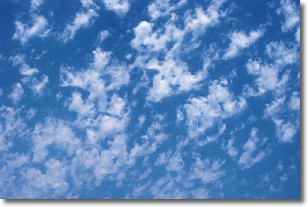
Fractus Clouds Next Topic: Freezing Rain

A fractus cloud (scud) is a fragmented, tattered cloud which has likely been sheared off of another cloud. They are accessory clouds, meaning they develop from parent clouds, and are named in a way which describes the original cloud which contained them.

Fractus clouds which have originated from cumulus clouds are referred to as cumulus fractus, while fractus clouds which have originated from stratus clouds are referred to as stratus fractus. Under certain conditions a fractus cloud might merge with another cloud, or develop into a cumulus cloud, but usually a fractus cloud seen by itself will dissipate rapidly.

They are often observed on the leading and trailing edges of storm clouds, and are a display of wind activity.

Next Topic: Freezing Rain

Current conditions powered by WeatherAPI.com